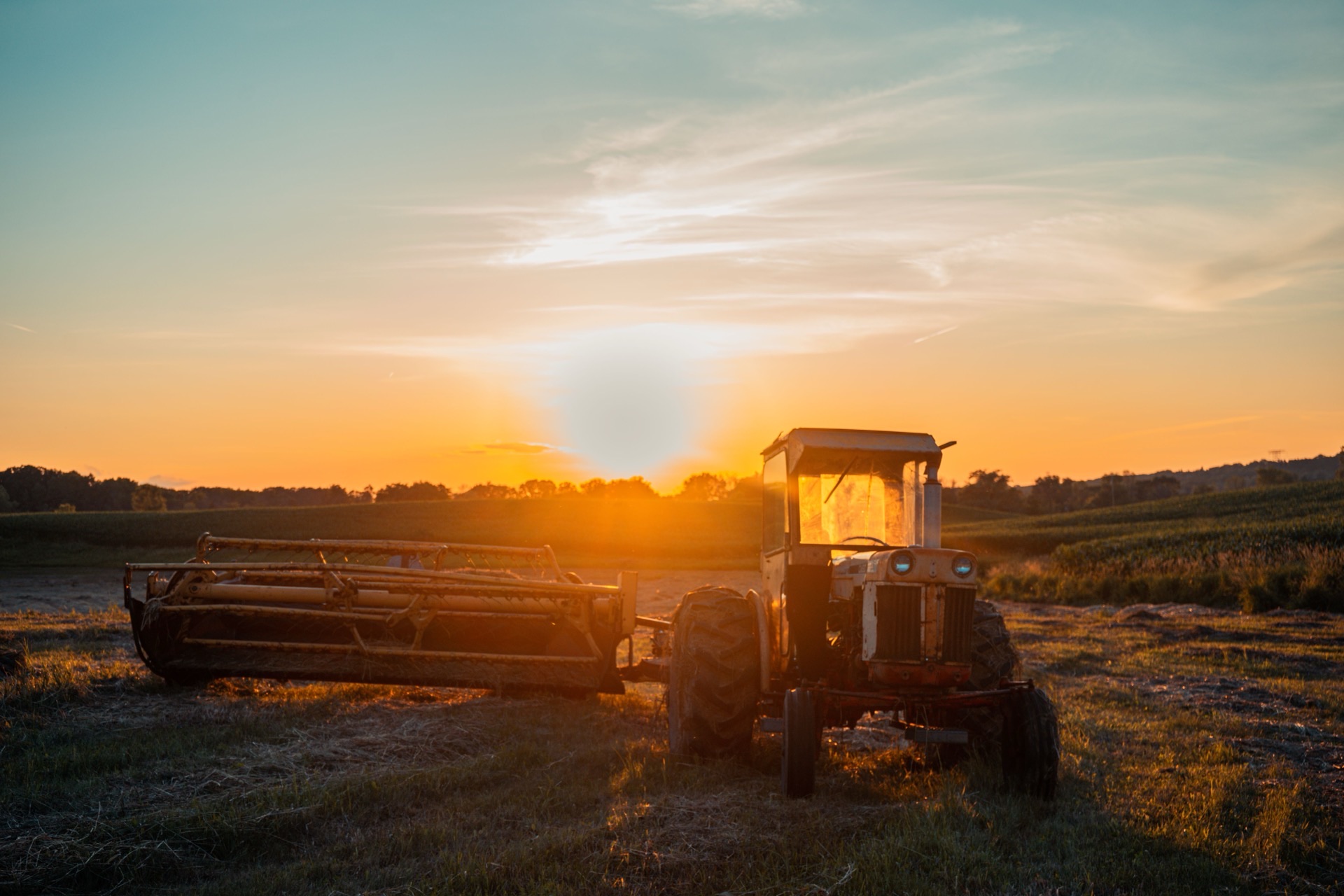
Ag Lending Explained


The short answer: Agricultural financing comes in three main flavors—operating lines for seasonal costs, equipment loans for machinery and tools, and real estate/land loans for purchasing or improving farm property. Each serves a different purpose in the annual cycle of a farming or ranching operation, and many producers use all three.
Operating Lines of Credit
An operating line of credit is a renewable credit facility designed to cover the seasonal expenses of running a farm. Farmers and ranchers draw on it to pay for seed, fertilizer, feed, fuel, labor, and other input costs before harvest or sale. Once crops are sold or livestock are marketed, the borrower repays the line, typically bringing it to zero by year-end.
- Designed for one-year cycles: Operating lines align with the production calendar, not your personal paycheck.
- Flexible access: You draw what you need, when you need it, and pay interest only on the balance you use.
- Often secured by crops or receivables: Some lines may be secured by the anticipated harvest or your accounts receivable.
Operating lines work best when your operation has predictable seasonal cash outflows and inflows. If you're uncertain about exactly when you'll need funds or in what amount, a BANK19 ag lending specialist can help you size and structure a line.
Equipment Loans
Farmers and ranchers need machinery, tools, vehicles, and other assets to operate. Equipment loans finance these purchases over a period that matches the useful life of the asset—typically 3–10 years for machinery and equipment.
- Secured by the equipment itself: The equipment you buy serves as collateral, which often means better terms than unsecured lending.
- Fixed payment schedule: You know exactly what your monthly or quarterly payment will be.
- Supports business growth: New or replacement equipment can boost productivity and efficiency.
Equipment financing is separate from operating credit because the equipment is a long-term asset, not a temporary expense. Lenders generally view equipment purchases differently from seasonal input costs.
Farm Real Estate and Land Loans
Land and farm buildings represent the foundation of many agricultural operations. Real estate loans finance the purchase, improvement, or refinancing of farm property.
- Longer terms available: Farm real estate loans can extend 20–30 years or more, spreading the cost over decades.
- Typically carry lower interest rates than other ag loans: The real estate itself serves as significant collateral.
- May include conservation or sustainability provisions: Some real estate financing supports environmental stewardship.
Whether you’re buying your first farm, expanding acreage, or upgrading infrastructure (irrigation systems, grain storage, fencing), a real estate loan is often the right tool.
How These Loans Work Together
Most agricultural operations use more than one type of financing:
- Operating LineCovers seasonal input costs; drawn and repaid within a calendar year.
- Equipment LoanFinances tractors, combines, and tools over 3–10 years.
- Real Estate LoanFinances land and buildings over 20+ years.
A farmer might, for example, use a $150,000 operating line to buy seed and cover spring labor costs, an equipment loan to replace a combine, and a real estate loan that financed the land purchase a decade ago. The operating line is repaid after harvest; the equipment loan is paid monthly; and the real estate loan is a steady, long-term payment.
Qualifying and Next Steps
Lenders typically evaluate agricultural borrowers on:
- Multi-year financial statements: Tax returns, balance sheets, and cash-flow projections help lenders understand your operation’s stability and growth.
- Collateral and equity: What assets can secure the loan, and how much equity do you have in your operation?
- Debt-to-income ratio and credit history: These factors help assess repayment capacity.
- Business plan: Particularly for new borrowers or significant expansions, lenders want to understand your strategy.
No two operations are identical. The right financing structure for a diversified row-crop farm differs from a livestock ranch, which differs from a specialty ag business. A BANK19 ag lending specialist can review your situation and help you identify the financing combination that supports your operation’s goals.
Ready to explore agricultural financing options?
A BANK19 ag lending specialist can help you find the right financing structure for your operation.
Frequently Asked Questions
What’s the difference between an operating loan and a real estate loan?
Operating loans (lines of credit) finance seasonal input costs like seed and fuel and are typically repaid within one year. Real estate loans finance land or buildings and are structured over longer terms, often 5–30 years. Equipment loans fall between them.
Can I carry over an operating line balance to the next year?
Typically, operating lines are expected to be repaid annually, but term and renewal depend on your lender and cash flow. Talk with a BANK19 ag lending specialist about your specific situation.
What collateral do I need for an agricultural loan?
Collateral depends on the loan type and lender. Operating lines may be secured by inventory or receivables; equipment loans by the equipment itself; real estate loans by the land or building. A BANK19 specialist can walk you through the process.
How do lenders decide how much to lend?
Lenders generally consider your operation’s cash flow, debt-to-income ratio, credit history, collateral, and business plan. Qualifying factors vary by lender and loan program.
What if I need both operating and equipment financing?
Many farmers and ranchers use multiple financing tools. A BANK19 ag lending specialist can help you layer and coordinate operating lines, equipment loans, and real estate financing to match your cash-flow cycle.


