Financing Farm Equipment and Land


The short answer: Financing equipment and land requires understanding how lenders value these long-term assets, what collateral is required, and how to structure repayment so it aligns with your operation’s cash flow and the useful life of the asset.
Why Equipment and Land Are Financed Differently
Equipment and land are not consumable inputs like seed or fertilizer. They’re capital assets that depreciate over time (or, in the case of land, often appreciate). Because they have lasting value and can serve as collateral, lenders treat equipment and real estate financing differently from operating lines of credit.
- Asset-based lending: The value of what you’re financing determines how much you can borrow and at what terms.
- Longer repayment periods: Unlike a one-year operating line, equipment and land loans are structured over years.
- Lower interest rates, often: Because the collateral is tangible and enduring, rates may be more favorable than unsecured borrowing.
Financing Farm Equipment
Equipment loans allow you to spread the cost of machinery, vehicles, and tools over a period that matches their productive life.
How Lenders Evaluate Equipment Loans
When you apply for equipment financing, lenders generally consider:
- The equipment’s fair market value: Used vs. new, age, hours of operation (for machinery), and condition all affect valuation.
- Your loan-to-value (LTV) ratio: Most lenders will finance 70–80% of the equipment’s value, requiring you to put 20–30% down.
- Your operation’s cash flow: Can your farm generate enough income to support the monthly or quarterly payments?
- Your credit profile and equity: Lenders review your credit history, existing debt, and how much equity you have in your operation.
Collateral and Security
Equipment typically serves as the security for the loan. The lender places a lien on the equipment—a legal claim that gives the lender the right to repossess if you default. Because the collateral is identifiable and valuable, you may qualify for better terms than with an unsecured loan.
- New vs. used equipment: Lenders may offer better rates for new equipment because of predictable depreciation and lower risk.
- Additional collateral: Depending on the size of the loan and your creditworthiness, the lender may also look to other farm assets, real estate equity, or a personal guarantee.
Term Length and Payment Planning
Agricultural equipment loans typically run 3–10 years, depending on the asset:
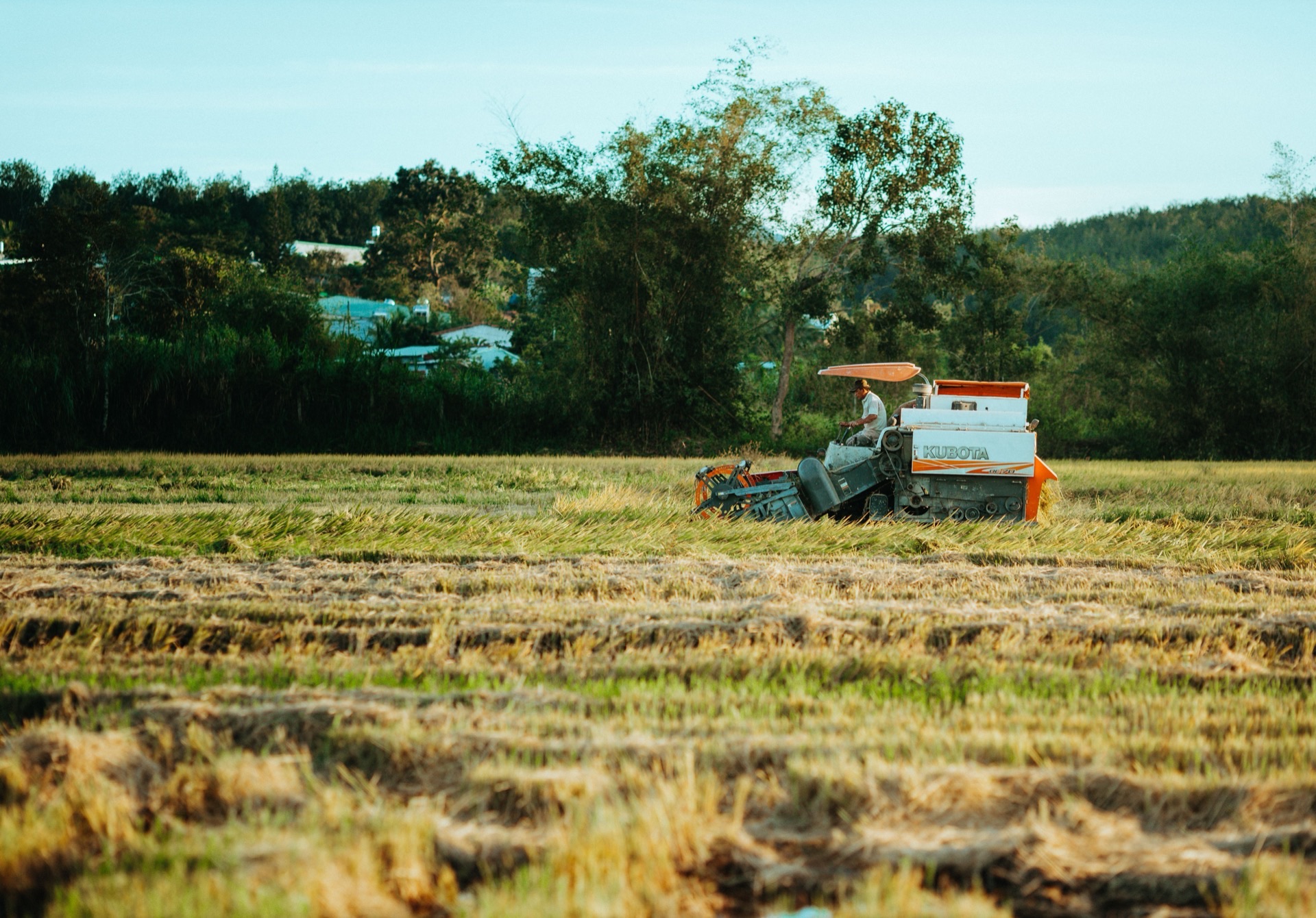
- Tractors and combines: Often 7–10 years.
- Pickup trucks and ATVs: Often 5–7 years.
- Smaller tools and implements: Often 3–5 years.
The goal is to structure a payment schedule so that the loan is repaid before the equipment becomes too old or unreliable to use productively. A BANK19 ag lending specialist can help you choose a term that fits your operation’s cash flow and equipment replacement cycle.
Financing Farm Real Estate and Land
Land and buildings are the longest-term investments most farms make. Real estate loans allow you to finance these purchases over decades, lowering annual debt service.
What Lenders Consider
Lenders evaluating farm real estate loans typically assess:
- The land’s appraised value: Professional appraisals are standard and determine the maximum loan amount (usually up to 75–80% of appraised value).
- The soil’s productivity and location: Productive land in active agricultural regions typically qualifies for better terms.
- Your down payment and equity position: Larger down payments (20–30%) reduce lender risk and often improve rates.
- Your operation’s income and debt service capacity: Multi-year tax returns and financial statements help lenders assess your ability to repay.
- Your credit history and existing debt: These factors influence terms and approval.
Collateral: The Mortgage or Deed of Trust
When you finance farm real estate, the lender places a mortgage or deed of trust on the property. This legal document gives the lender a security interest in the land and buildings. If you fail to repay, the lender can foreclose and sell the property to recover the debt.
Because real estate is tangible, stable, and long-lasting, real estate loans often carry lower interest rates than operating lines or equipment loans.
Term Lengths and Planning for Repayment
Farm real estate loans typically range from 15–30 years or more. Longer terms:
- Lower annual payments: Spreading the cost over decades keeps annual debt service manageable.
- Align with the land’s productive life: Unlike a tractor that may last 15 years, land can generate income for a century.
- Preserve cash flow for operations: Lower fixed debt payments leave more cash for seasonal inputs and equipment.
- Equipment (e.g., a used tractor)Often financed over a shorter term tied to the machine’s useful life, with the equipment itself serving as collateral.
- Land & buildingsTypically financed over a longer term, since real estate holds its value over time and secures the loan.
Payments and terms vary with the rate environment and your lender’s terms. A BANK19 ag lending specialist can model actual payments for your situation.
Building a Financing Plan
Most farms benefit from a coordinated financing strategy that layers operating credit, equipment loans, and real estate financing. Here’s how to think about it:
- Operating lines: Cover seasonal input costs; repaid after harvest or sale.
- Equipment loans: Replace and upgrade machinery over 5–10 year cycles.
- Real estate loans: Finance land purchases or improvements over 20+ years.
When you align each financing tool with the cash flow and useful life of what you’re financing, you optimize both cash flow and debt service.
Next Steps
Whether you’re financing your first piece of equipment, upgrading to new machinery, or purchasing additional acreage, understanding your options is the first step. Lenders structure deals differently, and rates and terms vary. A BANK19 ag lending specialist can review your operation, discuss what makes sense for your goals, and help you build a financing plan that works.
Ready to finance equipment or land for your operation?
Connect with a BANK19 ag lending specialist to explore your options and structure a financing plan.
Frequently Asked Questions
What counts as acceptable collateral for an equipment loan?
The equipment itself is typically the primary collateral. Lenders may also consider other farm assets, real estate equity, or personal guarantees depending on the loan size and your credit profile. Ask a BANK19 specialist about what your operation qualifies for.
Can I refinance equipment I already own?
Many lenders offer equipment refinancing to improve terms or free up cash. Talk with a BANK19 ag lending specialist about whether refinancing makes sense for your situation.
How do lenders value equipment for a loan?
Lenders typically order an appraisal or refer to industry valuation guides to determine fair market value. Used equipment may be valued at a discount to new equipment, depending on age and condition.
What loan terms are typical for farm equipment?
Equipment loans generally range from 3–10 years, depending on the asset life. A combine might be financed over 7–10 years; a pickup truck over 5–7 years. A BANK19 specialist can discuss terms that match your cash flow.
How does collateral work when financing land?
The land itself—or improvements on it—serves as the primary collateral. Lenders record a mortgage or deed of trust against the property. If you default, the lender can foreclose. In return, land loans often offer lower rates because the collateral is stable and long-term.


