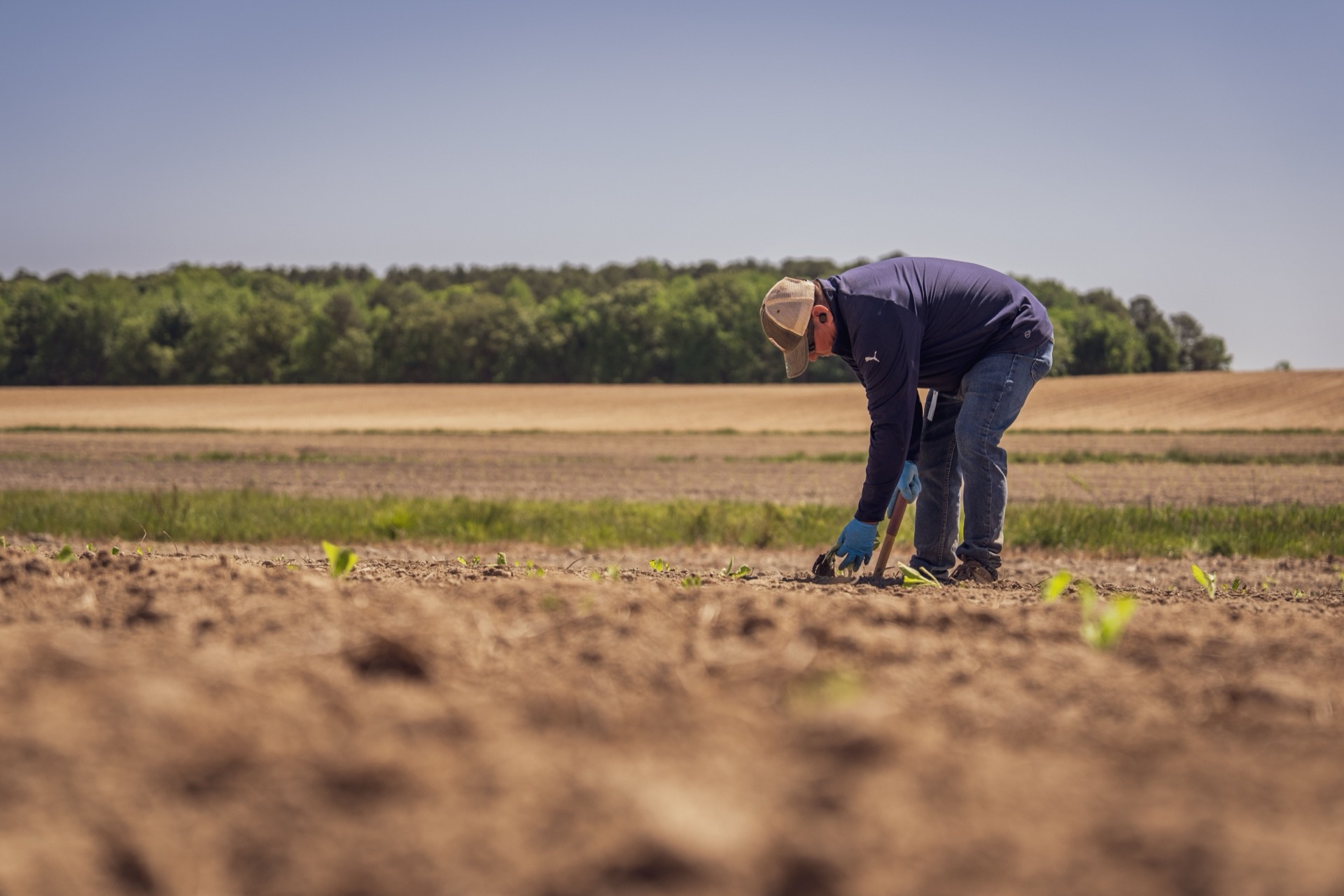
Preparing for the Growing Season


The short answer: An agricultural operating line of credit is designed to finance seasonal input costs—seed, feed, fuel, fertilizer, labor, and more—that come due before your harvest or livestock sale. You draw on the line as needed, repay after you sell, and the cycle repeats each year.
The Seasonal Cash Flow Challenge
Farming and ranching operate on a predictable but compressed seasonal cycle. In the spring, a row-crop farmer may need to pay for seed, fertilizer, and labor all at once—months before the fall harvest. A rancher may need to buy hay and feed in winter when prices are high and cash is tight. A dairy farmer has consistent input costs year-round but often experiences peaks and valleys in milk revenue.
Operating lines solve this timing mismatch by providing cash when you need it, letting you repay after you generate revenue.
How an Operating Line Works
An operating line of credit is a revolving facility. You have access to a credit limit—say, $200,000—and you draw on it as expenses come due. You pay interest only on the balance you use.
The Draw Phase
In spring (or whenever your season begins), you draw on the line to cover:
- Seed and chemicals for planting
- Fertilizer
- Equipment maintenance and fuel
- Labor costs
- Hired help or contractor services
- Utilities and facilities costs
- Insurance premiums
- Feed and supplements (for livestock operations)
You don’t have to draw the entire line at once. You withdraw as invoices arrive and expenses materialize, allowing you to minimize interest costs.
The Repayment Phase
After your crops are harvested and sold (or livestock are marketed), you have cash. You repay the operating line, ideally bringing the balance to zero by year-end. Some operations may carry a small balance over winter if cash flow is tight, but the line is designed for annual repayment.
- Early AprilDraw $50,000 for seed and fertilizer. (Operating line balance: $50,000)
- Late AprilDraw $30,000 for equipment repair and fuel. (Balance: $80,000)
- May–JulyDraw another $40,000 for crop inputs and labor. (Balance: $120,000)
- SeptemberHarvest begins; first sales bring in $60,000, repaying $60,000. (Balance: $60,000)
- October–NovemberAdditional sales total $65,000, repaying $65,000. (Balance: $0)
This cycle repeats each year, and interest accrues only on the outstanding balance.
This example is illustrative and simplified. Your actual cash flow, draw amounts, and repayment timing depend on your operation, crop, market prices, and loan terms—a BANK19 ag lending specialist can help you model your own.
Planning Your Operating Line
Sizing the Line
Lenders typically size an operating line based on:
- Historical input costs: What did you spend last year on seed, fertilizer, feed, fuel, and labor combined?
- Projections for this year: Are costs rising (e.g., due to higher input prices)? Are you expanding?
- Collateral and equity: What assets can secure the line?
- Multi-year financial statements: Tax returns and balance sheets help lenders assess your operation’s stability and repayment ability.
A BANK19 ag lending specialist will work with you to determine an appropriate line size—large enough to cover seasonal needs but not so large that you’re paying interest on unused credit.
Managing the Balance
Because you only pay interest on what you use, timing matters:
- Draw in stages: Request funds as bills come due, rather than upfront. This keeps your average balance (and interest expense) lower.
- Plan your repayment: When do you expect to receive revenue? Build in a margin for timing delays or price volatility.
- Watch for carryover: If you anticipate some balance remaining at year-end, communicate with your lender early. Options may exist, depending on your situation and your lender’s policies.
Operating Lines and Livestock Operations
While the example above focuses on crop production, livestock operations also benefit from operating lines. Cattle ranchers might draw in fall and winter to purchase hay, feed, and supplements, then repay after spring/summer sales or live cattle marketing. Dairy farmers often use operating lines to smooth the timing differences between when feed must be purchased and when milk payments are received.
The principle is the same: the line finances seasonal or predictable expenses and is repaid when revenue arrives.
Flexibility and Unexpected Costs
One advantage of an operating line is its flexibility. If a piece of equipment breaks down mid-season, or an unexpected disease or drought strikes your herd or crop, you can often draw additional funds without restructuring the loan. This adaptability helps you manage risk and stay current on critical expenses.
However, a large unexpected draw may affect your repayment timeline. Talk with a BANK19 specialist if your season takes an unexpected turn.
Interest and Costs
Interest on an operating line accrues based on the daily balance and the lender’s rate. Rates vary with market conditions and your credit profile. A BANK19 specialist can provide a rate quote and help you model interest expense based on your expected draw schedule, so you know what to budget for.
Some operating lines carry other costs—commitment fees, annual review fees, or closing costs—depending on the lender and the size of the facility. Ask your lender for a full breakdown of all costs.
Preparing for Your Operating Line Application
If you’re applying for an operating line or renewing one, gather:
- Three years of tax returns for your farm or ranch.
- Current balance sheet showing your assets and liabilities.
- Itemized list of seasonal expenses and timing (e.g., seed costs in April, hay in September).
- Expected revenue and timing (e.g., crop sales in October, livestock sales in spring).
- Prior operating line statements if you’ve had credit before.
Having this information ready speeds up the process and helps you and your lender align on the right line size and repayment plan.
Getting Started
Every operation is unique. A diversified farm has different seasonal needs than a row-crop operation or a livestock ranch. A BANK19 ag lending specialist can review your specific cash flow cycle, discuss how much operating credit makes sense, and help you structure a line that supports your operation through the growing season and beyond.
Ready to set up seasonal financing for this year?
A BANK19 ag lending specialist can help you structure an operating line that covers your seasonal costs and aligns with your cash-flow calendar.
Frequently Asked Questions
How much can I borrow on an operating line?
Lenders typically size operating lines based on your historical input costs, revenue, and collateral. A BANK19 specialist will review your prior-year expenses and projections to propose an appropriate line size.
Do I have to draw the entire line at once?
No. Operating lines are revolving credit facilities. You draw what you need, when you need it. You pay interest only on the amount you use, making them flexible tools for managing seasonal cash flow.
What happens if I don’t pay back the operating line by year-end?
Operating lines typically come due annually, but arrangements vary by lender and your specific situation. If you anticipate carryover, talk with a BANK19 ag lending specialist early—options may be available, depending on your cash flow.
How should I budget for interest costs on an operating line?
Interest varies with market rates and your lender’s terms. A BANK19 specialist can provide a rate and help you model interest expense based on your expected draw schedule and repayment timing.
Can I use an operating line for unexpected costs during the season?
Yes. Because you draw as needed, you can often use the line to cover unexpected expenses—emergency equipment repair, additional feed, or labor. That flexibility is one reason operating lines are valuable.


